
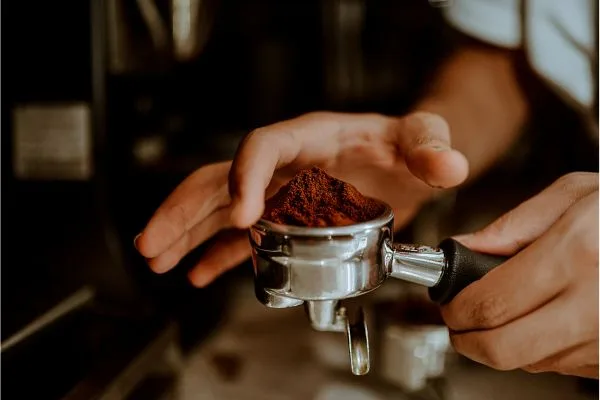
Coffee is often seen today as a productivity booster or a cozy beverage, but during the Age of Enlightenment, it was much more than that. It became a symbol of reason, intellectual curiosity, and modern thinking. As Europe shifted away from superstition and absolutism and toward science and democracy, coffee helped fuel not only bodies—but …

Long before cafés became modern symbols of comfort and creativity, they served as engines of transformation in 17th-century Europe. Coffeehouses were radical spaces—fueling enlightenment, economic change, political discourse, and cultural revolution. As the coffee bean traveled from the Islamic world to European cities, it brought with it a social custom that would change the continent …

Brazil is synonymous with coffee. As the world’s largest producer for over 150 years, its influence on the global coffee industry is undeniable. But Brazil’s coffee story is more than just numbers—it’s a tale of economic transformation, labor struggles, environmental shifts, and cultural identity. In this article, we’ll explore the origins of Brazil’s coffee boom, …

Coffee has long been celebrated for its bold flavors and rich cultural history. But behind the steaming cups and global trade lies a truth often overlooked: women have played a central—yet underappreciated—role in the story of coffee. From farm to cup, women have shaped the industry through cultivation, commerce, art, and activism. Their stories are …
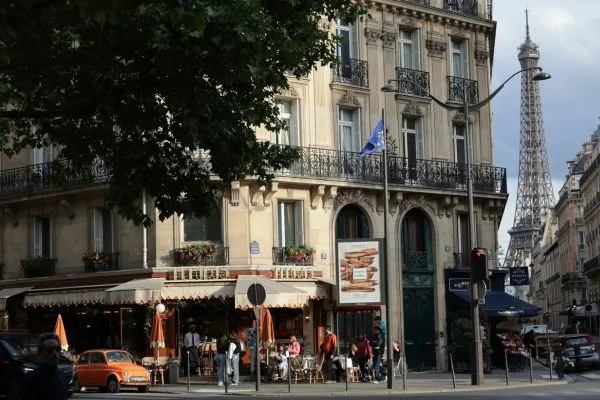
To understand France is to understand its cafés. More than mere coffee shops, French cafés are institutions—places where ideas are born, revolutions are planned, books are written, and time slows down. They are woven into the cultural and intellectual fabric of the nation. This article explores the deep roots of French café culture, its historical …

Throughout history, coffee has been more than just a beverage—it has served as a spark for intellectual discourse, political organization, and social revolution. From Enlightenment salons to anti-colonial gatherings, this humble drink has consistently found itself at the heart of transformative moments in history. In this article, we explore how coffee and coffeehouses have fueled …

Ethiopia is widely recognized as the birthplace of coffee, but its importance goes far beyond history—it is also home to one of the world’s most beautiful and meaningful coffee traditions: the Ethiopian coffee ceremony. This elaborate ritual is a cornerstone of Ethiopian hospitality, culture, and community life. In this article, we’ll explore the significance, process, …

Coffee is more than just a daily ritual — it’s a global phenomenon with a rich and mysterious past. The story of coffee spans centuries, continents, and cultures, from ancient Ethiopian highlands to bustling coffee shops across the world. Let’s travel through time and uncover how coffee went from a humble forest plant to the …
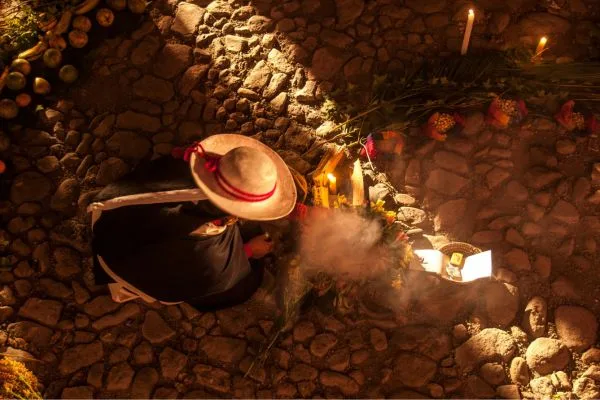
Coffee is more than just a beverage — in many cultures, it has deep spiritual and symbolic meaning. Long before coffee shops became global icons, this humble brew was used in rituals, prayers, and sacred ceremonies. Across continents and belief systems, coffee has served as a bridge between the physical and the divine. In this …
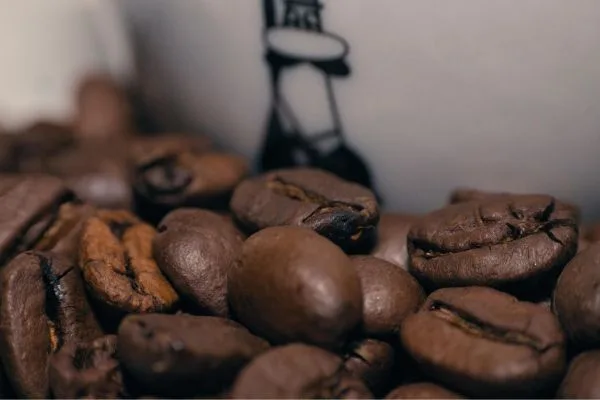
At the heart of every cup of coffee lies a humble seed—the coffee bean. But not all beans are created equal. The global coffee industry is dominated by two primary species: Coffea arabica and Coffea canephora, better known as Arabica and Robusta. These two beans differ in taste, cultivation, climate, caffeine content, and cultural perception. …