Choosing the right brewing method can completely change the way coffee tastes.
Many people buy high-quality coffee beans but never realize that roast level and brewing method should work together to create the best flavor possible.
Light roast and dark roast coffees behave very differently during brewing. They contain different densities, flavor profiles, acidity levels, and extraction characteristics.
Because of this, the ideal brewing method for one roast level may not work as well for another.
Professional baristas carefully match brewing techniques to roast profiles in order to highlight sweetness, balance, aroma, and texture.
Understanding this relationship helps coffee lovers unlock much more flavor from their beans without needing expensive café equipment.
This guide explains the best brewing methods for light roast and dark roast coffee, how extraction changes between them, and how to choose the right setup for smoother and more enjoyable coffee at home.
Understanding the Difference Between Light and Dark Roast Coffee
Roasting changes coffee dramatically.
During roasting, coffee beans lose moisture, expand, and develop new flavor compounds through heat.
Light Roast Coffee
Light roasts are roasted for a shorter time.
They usually preserve more:
- Acidity
- Fruity notes
- Floral aromas
- Origin characteristics
Light roasts are typically denser and harder to extract.
Dark Roast Coffee
Dark roasts spend more time in the roaster.
They often develop:
- Chocolate notes
- Smoky flavors
- Lower acidity
- Fuller body
- Rich bitterness
Dark roasts extract more easily because the bean structure becomes more fragile during roasting.
Why Brewing Method Matters
Different brewing methods affect:
- Extraction speed
- Texture
- Aroma
- Body
- Sweetness
- Flavor clarity
Because light and dark roasts extract differently, matching the roast to the right brewing style creates much better balance.
Some brewing methods highlight delicate flavors, while others emphasize body and richness.
Best Brewing Methods for Light Roast Coffee
Light roast coffee usually shines in brewing methods that highlight clarity, aroma, and complexity.
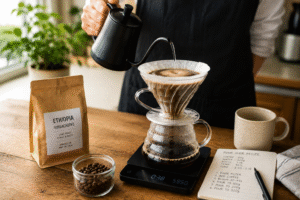
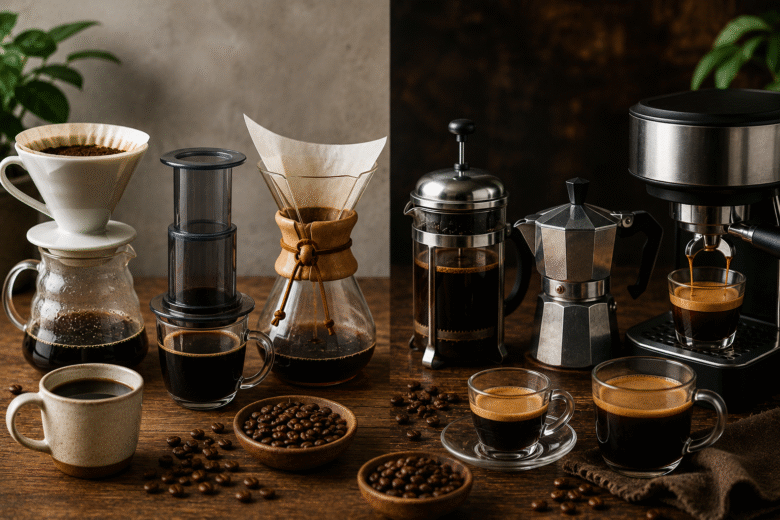
Pour Over Coffee
Pour over brewing is one of the best methods for light roast coffee.
Popular brewers include:
- Hario V60
- Kalita Wave
- Chemex
Why Pour Over Works So Well
Pour over brewing creates:
- Cleaner texture
- Better flavor clarity
- Bright acidity
- More aroma detail
Because paper filters remove oils and sediment, delicate flavor notes become easier to notice.
Light roast pour overs often reveal:
- Citrus notes
- Berry flavors
- Floral aromas
- Tea-like texture
This is one reason specialty cafés frequently use pour over methods for premium light roasts.
AeroPress for Light Roasts
The AeroPress is another excellent option for light roast coffee.
AeroPress Benefits
- Smooth extraction
- Reduced bitterness
- Bright flavor clarity
- Flexible brewing control
The AeroPress allows experimentation with:
- Brew time
- Water temperature
- Grind size
This flexibility helps optimize extraction for dense light roast beans.
Espresso With Light Roasts
Modern specialty cafés increasingly use light roasts for espresso.
Light Roast Espresso Often Has
- Fruity sweetness
- Bright acidity
- Complex flavor layers
- Floral aromas
However, light roast espresso requires careful extraction because the beans are denser and less soluble.
Proper grinding and temperature control become especially important.
Best Water Temperature for Light Roasts
Light roasts usually benefit from slightly hotter water.
Recommended range:
- 200°F to 205°F
- 93°C to 96°C
Higher temperatures help extract sweetness and complexity more effectively.
Grind Size for Light Roasts
Because light roasts are denser, slightly finer grinding often improves extraction.
This helps water dissolve flavor compounds more efficiently.
However, balance still matters because overly fine grinding may create bitterness.
Best Brewing Methods for Dark Roast Coffee
Dark roast coffee often performs best in brewing methods that emphasize body, richness, and texture.
French Press
French press brewing pairs beautifully with dark roast coffee.
Why French Press Works Well
French press brewing preserves:
- Coffee oils
- Heavy body
- Rich mouthfeel
- Chocolate notes
Dark roast coffee often becomes smoother and fuller in immersion brewing methods.
The heavier texture complements dark roast flavor profiles naturally.
Moka Pot Brewing
Moka pots are extremely popular for dark roast coffee.
Moka Pot Flavor Profile
- Strong body
- Bold flavor
- Rich texture
- Intense aroma
Dark roasts handle the moka pot’s concentrated brewing style very well.
Chocolatey and nutty flavors often become especially pronounced.
Espresso With Dark Roasts
Traditional espresso blends commonly use medium-dark or dark roasts.
Dark Roast Espresso Usually Produces
- Thick crema
- Heavy body
- Smoky notes
- Lower acidity
Milk-based drinks like cappuccinos and lattes pair especially well with darker espresso because the bold flavor cuts through milk effectively.
Drip Coffee Makers for Dark Roasts
Automatic drip coffee makers often work well with medium and dark roasts because the flavor profiles remain balanced even with less precise extraction.
Dark roasts usually feel:
- Richer
- Fuller
- More forgiving
This makes them approachable for everyday brewing routines.
Best Water Temperature for Dark Roasts
Dark roasts generally benefit from slightly cooler brewing temperatures.
Recommended range:
- 195°F to 200°F
- 90°C to 93°C
Lower temperatures help reduce excessive bitterness.
Because dark roasts extract more easily, extremely hot water may create harsh flavor.
Grind Size for Dark Roasts
Dark roasts are more brittle and porous.
Slightly coarser grinding often helps reduce over-extraction and bitterness.
Proper grind adjustment creates smoother and more balanced coffee.
Cold Brew and Roast Levels
Cold brew behaves differently because extraction happens slowly with cold water.
Dark Roasts in Cold Brew
Dark roasts often create:
- Chocolate sweetness
- Smooth body
- Low acidity
These characteristics make them extremely popular for cold brew.
Light Roasts in Cold Brew
Light roast cold brew can taste:
- Fruity
- Refreshing
- Tea-like
- Bright
Although less common, it offers a unique flavor experience.
Why Extraction Changes With Roast Level
Roasting changes bean density and solubility.
Light Roasts
- Harder to extract
- Denser structure
- Need more energy during brewing
Dark Roasts
- Easier to extract
- More porous
- Extract quickly
This is why brewing variables should change depending on roast level.
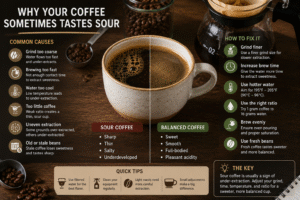
Common Mistakes With Light Roast Coffee
Many beginners accidentally under-extract light roast coffee.
This often creates:
- Sourness
- Weak body
- Sharp acidity
Better Solutions
- Use hotter water
- Grind slightly finer
- Extend extraction slightly
Balanced extraction helps reveal sweetness and complexity.
Common Mistakes With Dark Roast Coffee
Dark roasts often become bitter when over-extracted.
Common causes include:
- Water too hot
- Brewing too long
- Grind too fine
Better Solutions
- Use slightly cooler water
- Reduce brew time
- Grind slightly coarser
These adjustments help maintain smoother flavor.
Freshness Matters for Every Roast Level
Regardless of roast level, fresh coffee dramatically improves flavor quality.
Fresh beans create:
- Better aroma
- More sweetness
- Cleaner extraction
- Improved balance
Light roasts especially benefit from freshness because delicate flavors fade over time.
Water Quality Improves Both Roast Styles
Filtered water helps both light and dark roasts perform better.
Good water improves:
- Clarity
- Sweetness
- Aroma
- Extraction consistency
Coffee is mostly water, so water quality always matters.
Which Roast Is Better?
Neither roast level is objectively better.
The best choice depends on personal preference.
Light Roast Lovers Often Enjoy
- Bright acidity
- Complex flavors
- Fruity notes
- Floral aromas
Dark Roast Lovers Often Enjoy
- Rich body
- Chocolate notes
- Bold texture
- Smoky flavor
Both styles can produce exceptional coffee when brewed properly.
Matching Brewing Method to Your Taste
The ideal brewing method depends on what you value most in coffee.
For Clarity and Complexity
Choose:
- Pour over
- AeroPress
For Richness and Body
Choose:
- French press
- Moka pot
- Espresso
Different brewing methods reveal different personalities inside the same coffee beans.
Better Brewing Starts With Better Pairing
Coffee brewing becomes far more rewarding when roast level and brewing method work together instead of against each other.
Light roasts often shine brightest in methods that emphasize clarity and nuanced flavors, while dark roasts usually excel in brewing styles that highlight body and richness.
Understanding how roast level affects extraction allows coffee lovers to make smarter brewing decisions and enjoy smoother, more balanced coffee at home.
Sometimes the secret to better coffee is not buying new equipment, but simply pairing the right brewing method with the right roast profile.

Nathan Scott is a passionate coffee enthusiast with years of experience exploring the world of beans, brews, and barista techniques. From home brewing tips to discovering the perfect roast, he shares practical advice to help coffee lovers elevate their daily cup. When he’s not testing new brewing methods, Nathan is visiting local cafés in search of unique flavors and stories. His goal? To make great coffee simple, enjoyable, and accessible for everyone.