Most people focus on coffee beans, brewing equipment, or brewing methods when trying to improve homemade coffee. While all of these factors matter, water temperature is one of the most overlooked elements in coffee brewing.
Even high-quality coffee beans can taste bitter, sour, weak, or flat if brewed at the wrong temperature.
Professional baristas pay close attention to water temperature because it directly affects extraction, flavor balance, aroma, sweetness, and body.
Many home brewers unknowingly use water that is either too hot or too cool, which prevents coffee from reaching its full potential.
The good news is that understanding water temperature is much simpler than it seems, and small adjustments can immediately improve flavor.
This guide explains how water temperature changes the taste of coffee and how beginners can use proper brewing temperatures to create smoother, richer, and more balanced coffee at home.
Why Water Temperature Matters in Coffee Brewing
Coffee brewing is essentially the process of extracting flavor compounds from roasted coffee grounds using water.
Inside coffee beans are hundreds of soluble compounds responsible for:
- Sweetness
- Acidity
- Bitterness
- Aroma
- Texture
- Flavor complexity
Water temperature determines how quickly and efficiently these compounds dissolve during brewing.
When the temperature is correct, extraction becomes balanced and pleasant. When the temperature is too high or too low, certain flavors become overpowering while others remain underdeveloped.
Professional coffee brewing relies heavily on controlling this balance.
The Ideal Water Temperature for Coffee
Most coffee professionals recommend brewing coffee between:
- 195°F to 205°F
- 90°C to 96°C
This temperature range usually provides balanced extraction for most brewing methods.
Within this range, coffee tends to develop:
- Better sweetness
- Fuller aroma
- Balanced acidity
- Smooth texture
- Cleaner aftertaste
Brewing outside this range often creates unpleasant flavor problems.
What Happens When Water Is Too Hot
Many people pour boiling water directly onto coffee grounds without realizing it may damage flavor quality.
Water that is excessively hot extracts compounds too aggressively.
Common Problems Caused by Overheated Water
- Excessive bitterness
- Burnt flavor
- Harsh aftertaste
- Dry mouthfeel
- Reduced sweetness
Dark roast coffees are especially sensitive to high temperatures because they already contain more bitter compounds from roasting.
When water is too hot, those bitter flavors become exaggerated and overpower the coffee’s natural balance.
Signs Your Water May Be Too Hot
Your brewing water may be too hot if your coffee consistently tastes:
- Sharp
- Bitter
- Smoky
- Harsh
- Burnt
This problem is extremely common among beginners because boiling water feels like the “strongest” option, even though it often damages flavor.
What Happens When Water Is Too Cool
Water that is too cool struggles to extract enough flavor from coffee grounds.
This creates under-extraction, which prevents many desirable flavor compounds from dissolving properly.
Common Problems Caused by Low Water Temperature
- Sour flavor
- Weak body
- Watery texture
- Flat aroma
- Thin aftertaste
Coffee brewed with cool water often feels incomplete because sweetness and richness never fully develop.
Signs Your Water May Be Too Cool
Your water temperature may be too low if your coffee tastes:
- Weak
- Sour
- Empty
- Underdeveloped
- Lacking sweetness
Many beginners mistakenly assume weak coffee only comes from using too little coffee, when the real issue may actually be low brewing temperature.
How Temperature Affects Coffee Extraction
Different flavor compounds dissolve at different rates during brewing.
Early Extraction
At the beginning of brewing, water extracts:
- Acids
- Fruity notes
- Bright flavors
Mid Extraction
As brewing continues, water extracts:
- Sweetness
- Balanced flavors
- Aromatic oils
Late Extraction
Toward the end, water extracts:
- Bitterness
- Dry compounds
- Heavy flavors
Water temperature influences how quickly this entire extraction process occurs.
Hotter water accelerates extraction. Cooler water slows it down.
The goal is balanced extraction that captures sweetness and complexity without overwhelming bitterness.
Different Brewing Methods and Temperature Control
Different brewing methods sometimes benefit from small temperature adjustments.
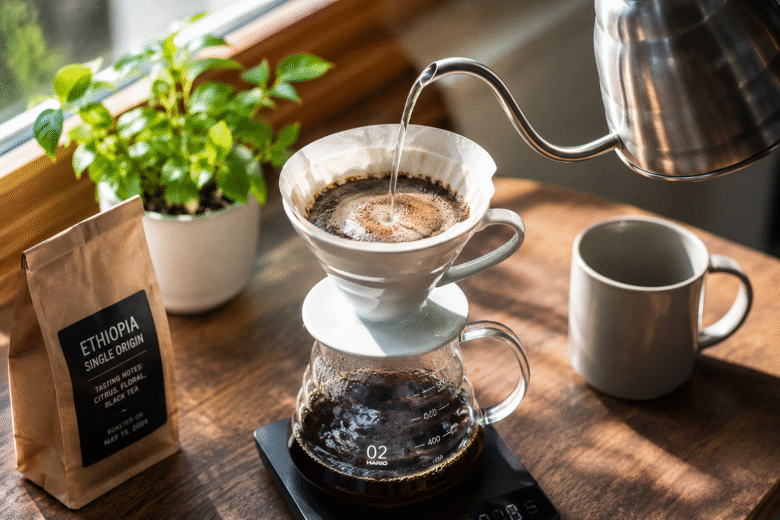
Pour Over Coffee
Pour over brewing gives excellent control over temperature and extraction.
Most pour over brewers use water around:
- 200°F to 205°F
- 93°C to 96°C
Lighter roasts often benefit from slightly hotter water because they are denser and harder to extract fully.
French Press Brewing
French press coffee typically works well between:
- 195°F to 200°F
- 90°C to 93°C
Because immersion brewing extracts continuously, slightly lower temperatures can help reduce bitterness.
Espresso Brewing
Espresso machines usually brew between:
- 195°F to 201°F
- 90°C to 94°C
Espresso extraction is highly sensitive to temperature changes because brewing happens under pressure and within a very short time.
Even small temperature differences can noticeably affect espresso flavor.
Cold Brew Coffee
Cold brew is completely different because it uses cold or room-temperature water over many hours.
The slower extraction process creates:
- Lower acidity
- Smoother texture
- Reduced bitterness
- Sweeter flavor profile
Cold brew demonstrates how dramatically water temperature changes coffee taste.
Light Roast vs Dark Roast Temperature Differences
Roast level also affects ideal brewing temperature.
Light Roast Coffee
Light roasts are denser and less soluble.
They often benefit from:
- Slightly hotter water
- Longer extraction
- Higher brewing temperatures
This helps fully develop sweetness and complexity.
Dark Roast Coffee
Dark roasts extract more easily because roasting breaks down the bean structure further.
They often taste better with:
- Slightly cooler water
- Shorter extraction
- More gentle brewing
Lower temperatures help prevent excessive bitterness.
How to Control Water Temperature Without Expensive Equipment
You do not need a professional kettle with digital temperature control to improve coffee brewing.
Simple habits already make a major difference.
The Easy Beginner Method
- Bring water to a boil
- Remove from heat
- Wait about 30 seconds
- Begin brewing
This usually places water close to the ideal brewing range.
This simple adjustment alone often improves flavor dramatically.
Using a Thermometer
An inexpensive kitchen thermometer can help beginners understand brewing temperature more accurately.
Over time, many coffee enthusiasts learn to estimate temperature comfortably without measuring constantly.
Why Consistency Matters More Than Perfection
Professional baristas value consistency because repeating successful brewing conditions produces reliable results.
Water temperature does not need to be perfect every time. It simply needs to remain reasonably consistent.
Many beginners become overwhelmed trying to achieve absolute precision. In reality, developing stable brewing habits matters far more than chasing perfection.
Consistent brewing creates better coffee than random experimentation every morning.
Common Temperature Mistakes Beginners Make
Several common habits negatively affect brewing temperature without people realizing it.
Preheating Is Often Ignored
Cold brewing equipment can lower water temperature during brewing.
Professional baristas often preheat:
- Cups
- Pour over drippers
- French presses
- Carafes
This helps maintain stable extraction temperature.
Brewing Too Slowly
Very slow pouring can allow water to cool excessively during brewing.
Maintaining a smooth and steady brewing rhythm helps preserve consistency.
Using Thin or Poor Kettles
Some kettles lose heat rapidly during pouring.
While expensive kettles are unnecessary, stable heat retention helps improve consistency.
Taste Coffee More Carefully
One of the best ways to improve brewing is learning to recognize temperature-related flavor problems.
Bitter Coffee Often Means
- Water too hot
- Over-extraction
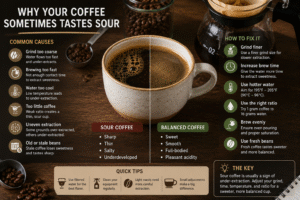
Sour Coffee Often Means
- Water too cool
- Under-extraction
Paying attention to flavor patterns helps identify brewing problems quickly.
Over time, beginners naturally develop better brewing instincts.
Water Temperature and Aroma
Temperature also affects aroma release.
Hotter brewing temperatures increase aromatic intensity, but excessive heat can damage delicate aromas.
Balanced brewing preserves both fragrance and flavor complexity.
Many coffee lovers underestimate how much aroma shapes overall coffee enjoyment.
Better Coffee Through Simple Adjustments
Improving coffee does not always require expensive equipment or advanced techniques.
Water temperature alone can dramatically influence:
- Sweetness
- Bitterness
- Aroma
- Acidity
- Texture
- Overall balance
Many common coffee problems are actually temperature problems in disguise.
By learning how heat affects extraction, beginners gain far more control over flavor quality and brewing consistency.
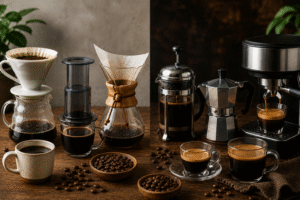
Whether you use a French press, pour over, drip machine, or AeroPress, proper water temperature helps unlock the best characteristics hidden inside your coffee beans.
Sometimes the difference between average coffee and excellent coffee is simply waiting a few extra seconds before pouring the water.

Nathan Scott is a passionate coffee enthusiast with years of experience exploring the world of beans, brews, and barista techniques. From home brewing tips to discovering the perfect roast, he shares practical advice to help coffee lovers elevate their daily cup. When he’s not testing new brewing methods, Nathan is visiting local cafés in search of unique flavors and stories. His goal? To make great coffee simple, enjoyable, and accessible for everyone.